The Institute for Business and Information Technology (IBIT), in collaboration with the Fox School of Business and the Office of the Vice President for Research, is proud to host the inaugural Data Science & AI @Temple Symposium. This campus-wide, grassroots initiative brings together researchers from across Temple University who are using—or interested in using—data science, machine learning, and artificial intelligence in their scholarship.
Organized by the DS-AI@Temple network, the symposium is designed to foster meaningful connections across schools and disciplines. The goal is to help researchers learn about one another’s work, break down academic silos, and spark new collaborations that lead to interdisciplinary teams, shared workshops, innovative research initiatives, and competitive large-scale grant proposals.
The symposium will take place on March 12, 2026, from 12:00 PM to 6:30 PM at Alter Hall (Fox School), MBA Commons, 7th Floor. Whether you are building AI models, working with large datasets, developing new analytical methods, studying the societal impacts of AI, or exploring how AI can enhance your research program, this event offers a valuable opportunity to connect and collaborate.
Registration is free and required to assist with planning for food, seating, and poster space.


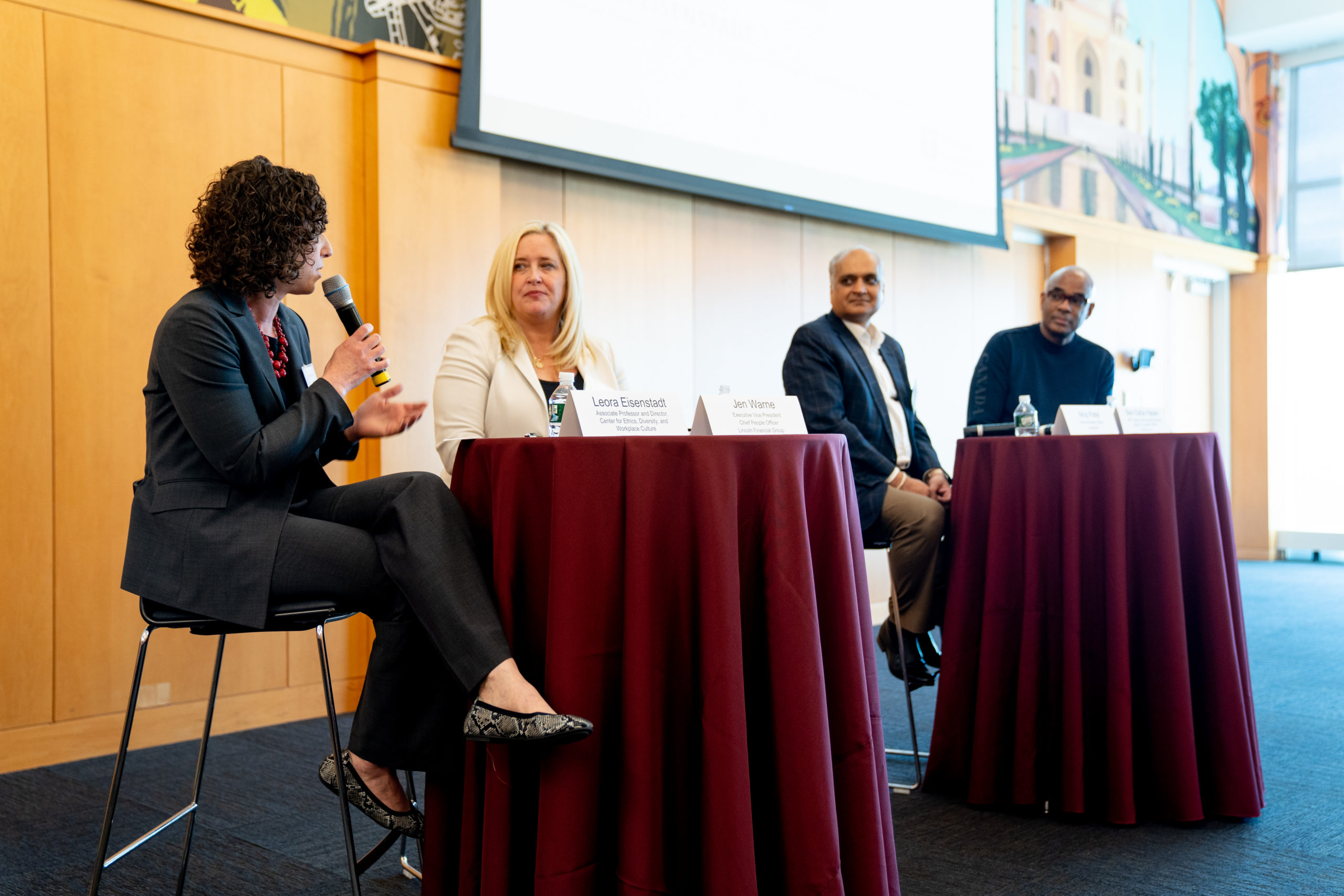
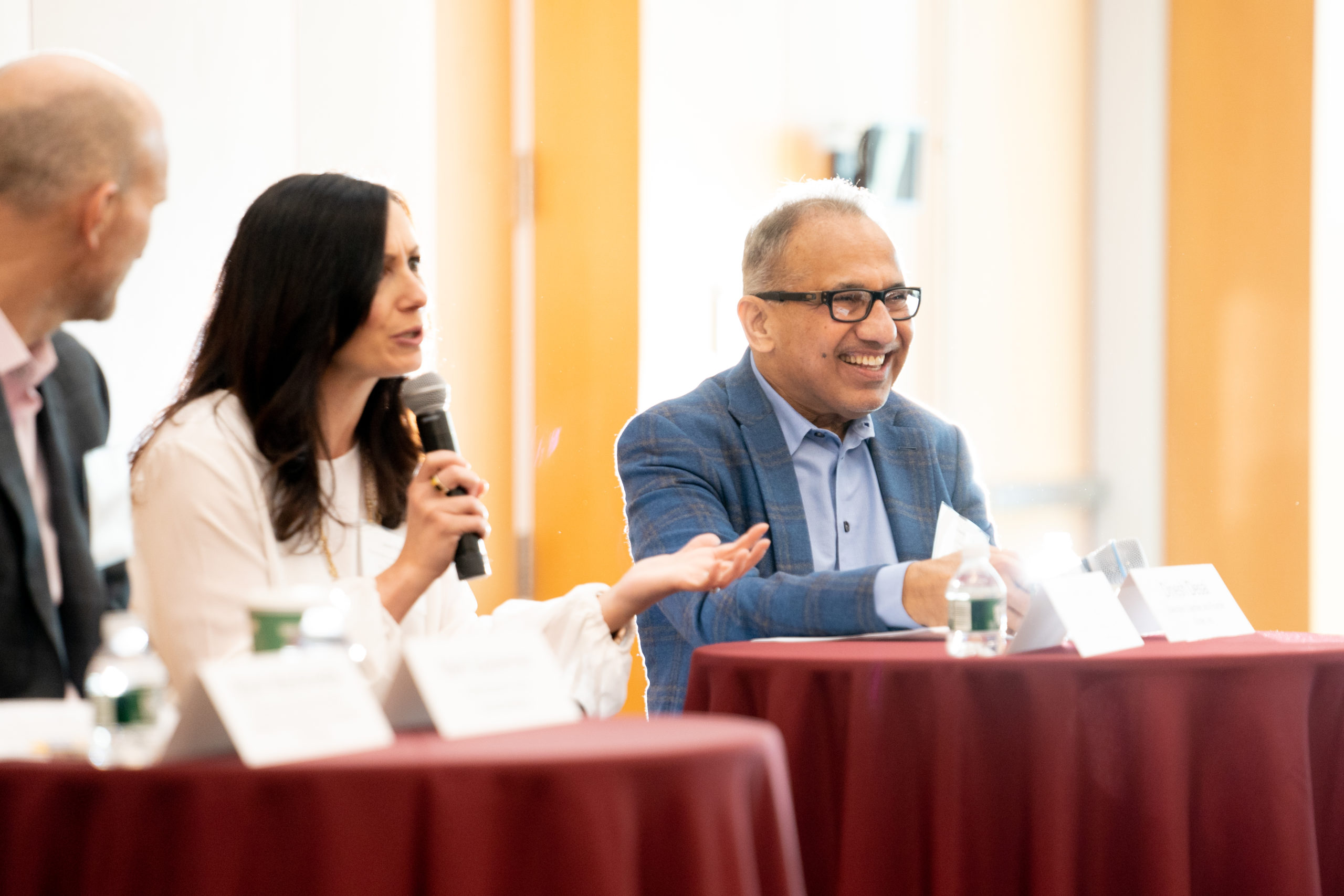

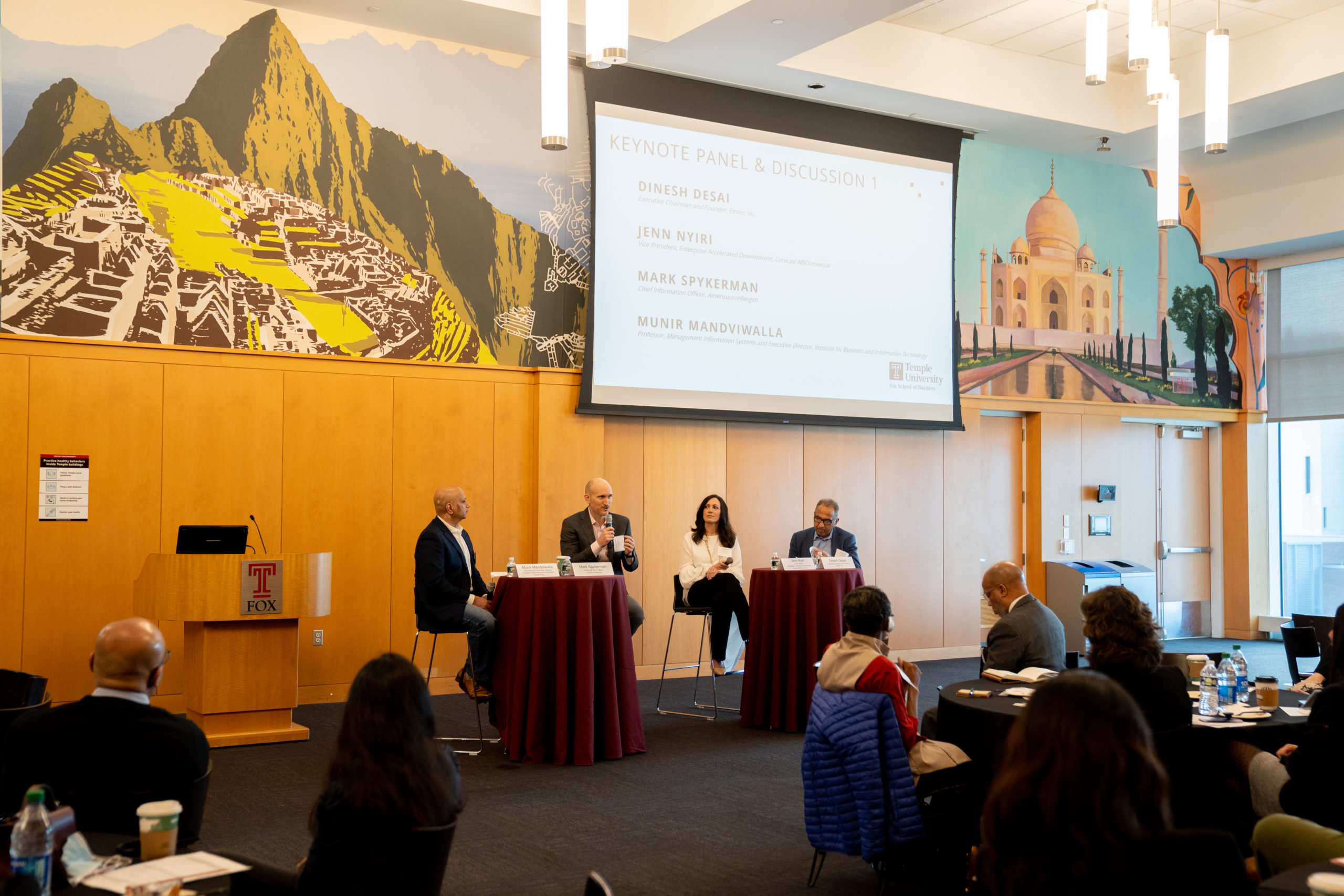

 Last month, Fox School’s Institute for Business and Information Technology (IBIT) welcomed some of the world’s foremost cyber-security experts for an engaging panel on cyber-security’s role in policies and happenings in the country and the world.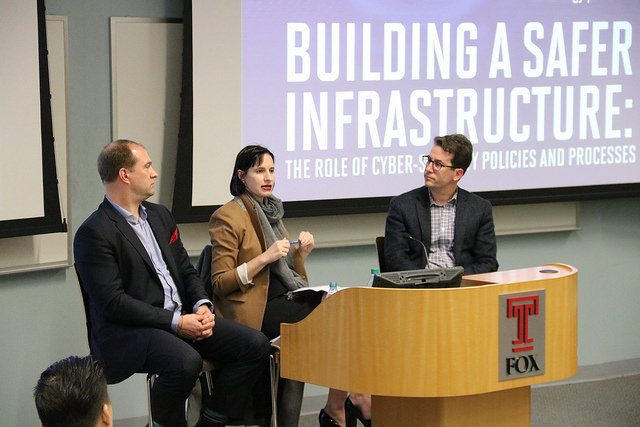
 It’s true, agrees Jason Lindsley, a student in the Fox School’s IT Audit and Cyber-Security Specialized Masters Program. “I really enjoyed the discussion between the panelists and also speaking with them during the social period,” he says. “The most interesting part of the panel to me was the discussion on the Geneva Convention and how it established humanitarian protections for civilians in a war zone. The panelists emphasized that cyber warfare makes it very difficult to enforce these protections because the Internet is completely open to everyone. I thought this was fascinating, and it really emphasized the need for more current international policy.”